



Pulteneytown
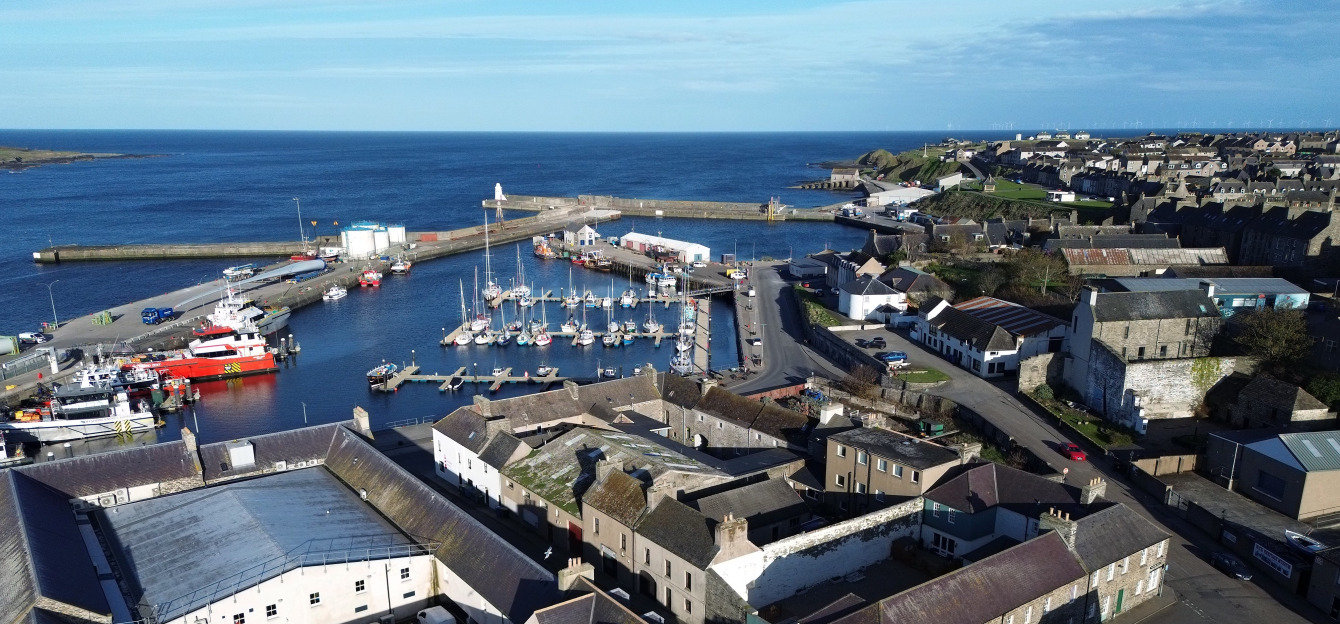
This new industrial village was to be called Pulteneytown, in honour of Sir William Pulteney, Chairman of the British Fisheries Society. The original harbour was completed in 1811, at a total cost of £14,000. It became the hub of the new community and rapid development followed. By 1818, in addition to curing yards, salt cellars and cooperages, 108 dwellings had been built and the population in Pulteneytown had increased to 852. The fishing fleet increased from 214 boats in 1808 to 822 in 1814.
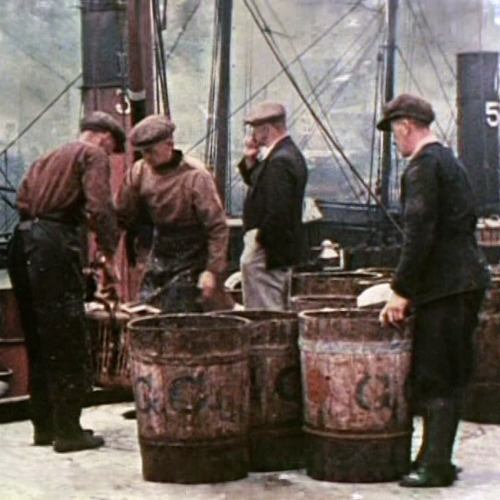
In the twenty years following the harbour's completion, the total catch rose from 10,000 barrels to nearly 200,000 barrels of herring per year. The end of the Napoleonic Wars in 1815 opened up European and Baltic markets to Britain, creating a convenient outlet for this increased productivity, especially for east coast fisheries. By the 1860s 1100 boats fished out of Wick harbour, and the industry employed 10,000 people. Wick had become the largest herring port in Europe.
As time went on, Wick faced increasing competition from Peterhead and Fraserburgh. In the 1880s Wick's catch was still increasing due to bigger boats and more nets, but other ports began to take over, especially after 1900, with the arrival of the steam drifter. Wick's fishermen were mainly crofter-fishermen, who used the profits from fishing to pay the rent on their crofts and therefore did not have the capital to invest in these more expensive boats. 1912 saw Wick's biggest ever catch, a peak that was never reached again.
The First World War crippled the fishing industry as most of the fishermen went into service. There was a brief resurgence of the glory days in the 1920s, but with the key markets of Germany and Russia gone, years of overfishing and changing tastes, the herring fishing industry went into a decline it never recovered from. By 1953 the catch was at its lowest level since 1786. Wick’s great Herring Fishing industry had come to an end.
For more than a hundred years, life in Wick revolved around the herring fishery. The industry brought an influx of population, plentiful employment and institutions like banks, churches, shops, postal and telegraph services and eventually the railway in 1874. The importance of the herring trade to Wick cannot be over stated, it brought a wave of prosperity for the town that has not been matched since.
 Wick Society
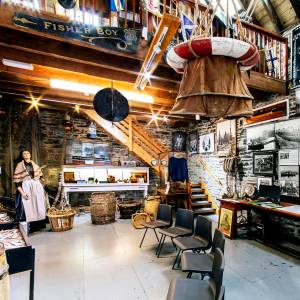 Wick Heritage Centre
 Johnston Collection
 Wick Voices